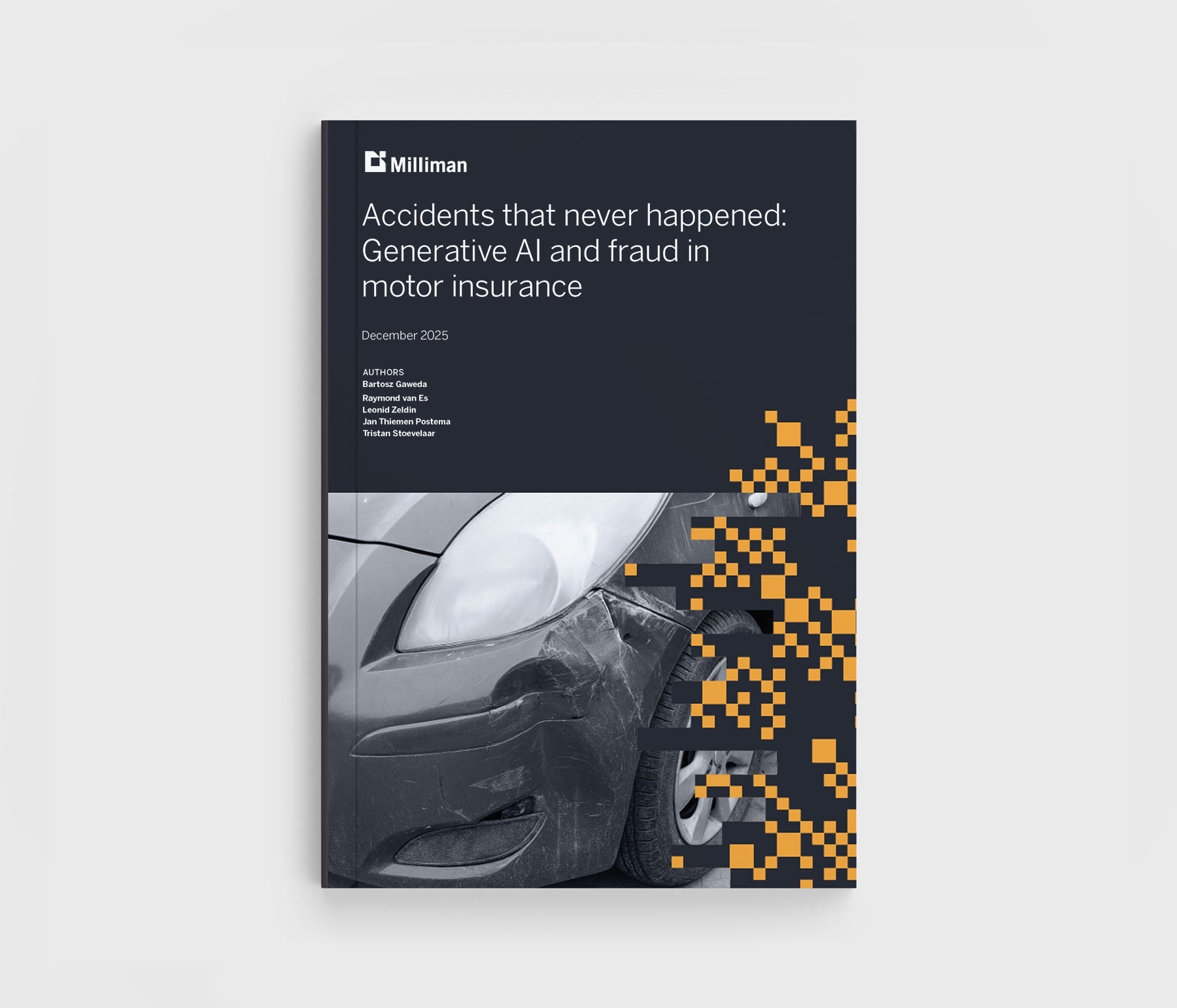
The impact of AI-generated claims and auto insurance fraud
See the full report for sources and details.
Generative AI-driven insurance fraud: Why auto carriers are so vulnerable
The rise of generative artificial intelligence (generative AI) is fundamentally reshaping the insurance industry. While the technology presents new opportunities, it also exposes insurers to new risks. Around the world, motor insurers are particularly exposed to generative AI image fraud schemes.
Criminals are harnessing generative AI to create convincing accident photos, police reports, and other apparent evidence of car crashes that never happened. Mobile-first claims systems make it easy to submit these digital documents, and even highly trained experts struggle to identify AI-manipulated images. Amid rising repair costs and lagging premiums, the impact of this insurance fraud has increased financial pressures on global auto carriers.
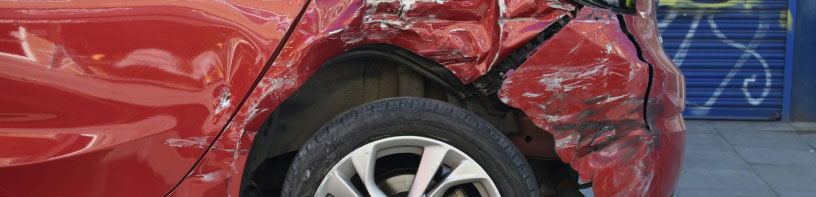
Can you spot AI-generated crash images? Take our 5-minute photo challenge.
You can help auto insurers understand the scale of generative AI-driven fraud—and the potential response. Simply review a series of photos of damaged vehicles and decide: real or AI-manipulated?
Test your detection skillsKey findings: How motor insurers can defend against generative AI-driven fraud
Milliman’s industry research set out to assess the scale of generative AI-driven claims fraud, evaluate the detection tools currently used to spot visual deception, and offer practical protection strategies for insurers.
Among the paper’s key findings:
- Human detection is only 50% accurate. Even experienced professionals were no better than random chance at spotting AI-manipulated damage photos.
- Automated off-the-shelf tools offer mixed results. Metadata analysis may help detect fake content but can be easily bypassed, while advanced forensic tools often struggle.
- Data security is paramount. Many online detection tools require uploading sensitive customer data, raising privacy concerns.
- Insurers must strengthen workflows. Relying on single images or unverifiable documents increases fraud risk, but procedural controls, technical verification, and AI-based tools offer protection.
As generative AI technology evolves, car insurers—and the entire insurance industry—must invest in a layered approach of improved processes, security, and detection tools to help protect against fraud in this new era of visual deception.
Learn more about the problem and potential solutions